
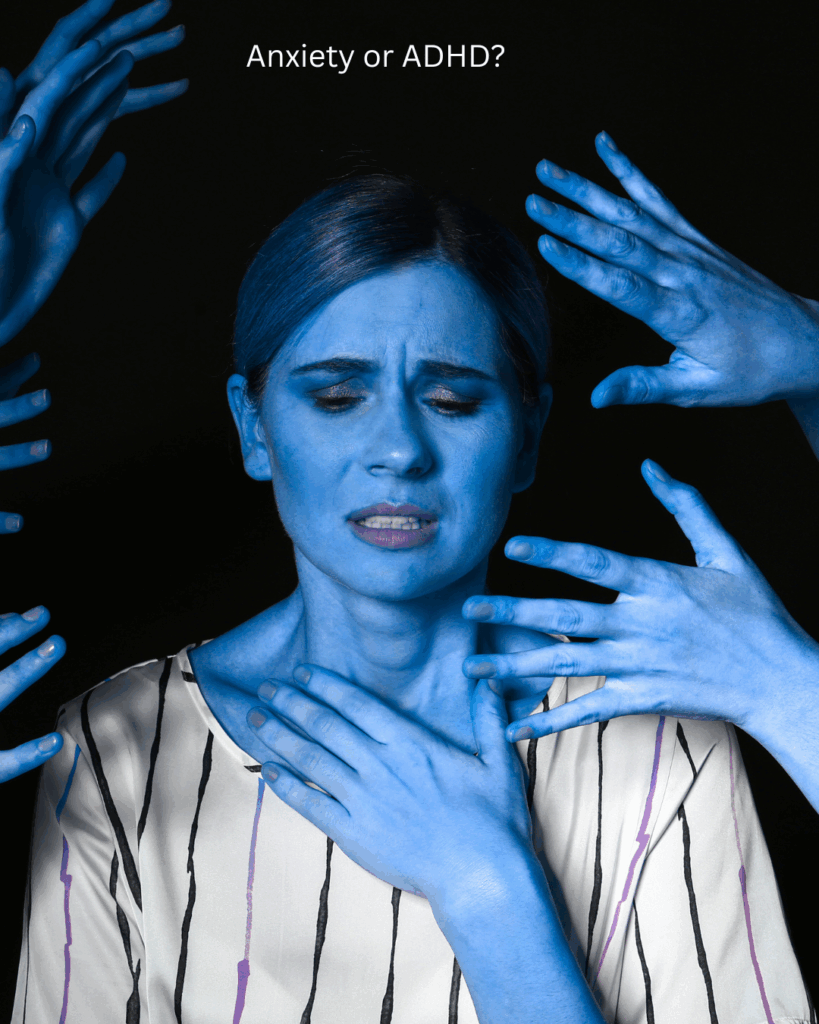
If you’re constantly battling distraction, mental restlessness, or a lingering sense of unease, you’re not alone—and you’re not imagining things. Many adults find themselves in a confusing mental fog, wondering: Is this anxiety? Could it be ADHD? Or is it both? The truth is, ADHD and anxiety symptoms in adults often look similar on the surface, making it tough to distinguish where one ends and the other begins.
From missed deadlines to sleepless nights and spiraling thoughts, the overlap between these two conditions can lead to frustration, self-blame, and delays in getting the right kind of help. But the good news is this: once you understand the difference, the path to feeling better becomes much clearer.
Shared Symptoms of ADHD and Anxiety
These two mental health conditions often present with similar features, which can include:
- Trouble concentrating or staying focused
- Difficulty falling or staying asleep
- A constant sense of restlessness
- Forgetfulness or misplacing things
- Feeling overwhelmed by everyday tasks
Because these symptoms can be caused by either (or both) disorders, it’s important not to self-diagnose. That’s why a comprehensive psychiatric evaluation is an essential step in identifying what’s really going on beneath the surface.
How ADHD and Anxiety Differ
While both conditions can make life feel chaotic, their root causes and underlying patterns tend to diverge.
- ADHD (Attention-Deficit/Hyperactivity Disorder) typically shows up early in life. Adults with ADHD often describe lifelong issues with distractibility, impulsive decisions, or chronic disorganization. They may jump from task to task without completing them, struggle with time management, or feel mentally “scattered” throughout the day.
- Anxiety disorders, on the other hand, are marked by persistent worry, fear, or dread. This worry is often future-focused — centered on what might happen, how one might fail, or what others might think. Physical symptoms like tension, chest tightness, or digestive issues are also common.
Can You Have Both ADHD and Anxiety?
Absolutely. In fact, it’s incredibly common. Studies show that up to 50% of adults with ADHD also meet criteria for an anxiety disorder. The two conditions don’t just coexist—they often amplify one another. For example, someone with ADHD might struggle to meet a deadline, which then triggers anxiety about being perceived as unreliable or incompetent. That anxiety then further hinders focus, creating a cycle that feels impossible to break.
What Does Treatment Look Like?
The good news? Whether you’re dealing with one or both, effective treatment is available. A skilled psychiatric provider can help you:
- Clarify your diagnosis
- Develop a treatment plan that may include medication, therapy, or both
- Identify coping strategies to reduce overwhelm and improve daily functioning
- Track progress over time and adjust treatment accordingly
Because each individual is unique, we take a personalized, whole-person approach to treatment. That means your plan is tailored to you – your goals, your symptoms, and your lifestyle.
When to Seek Help
If your symptoms are interfering with work, relationships, or your ability to feel present and at ease, it’s time to talk to a professional. Don’t wait until things spiral. Whether you’re unsure if it’s anxiety, ADHD, or both, you deserve clarity, relief, and support.
At Mind Garden Mental Health Services, we’re here to help you take the next step toward mental wellness. Book a consultation today – your future self will thank you.