Why Does ADHD Make It So Hard to Fall Asleep and Stay Asleep?
Have you ever felt exhausted all day, only to lie down at night and find your mind wide awake? You are not imagining it. The connection between ADHD and sleep is one of the most common, and most overlooked, parts of the condition. Racing thoughts. A body that will not settle. Mornings that feel impossible to wake up for. None of this means poor discipline. It is a real pattern tied to how the ADHD brain regulates sleep. This guide explains why ADHD makes both falling asleep and staying asleep so hard, and what genuinely helps you find real rest.
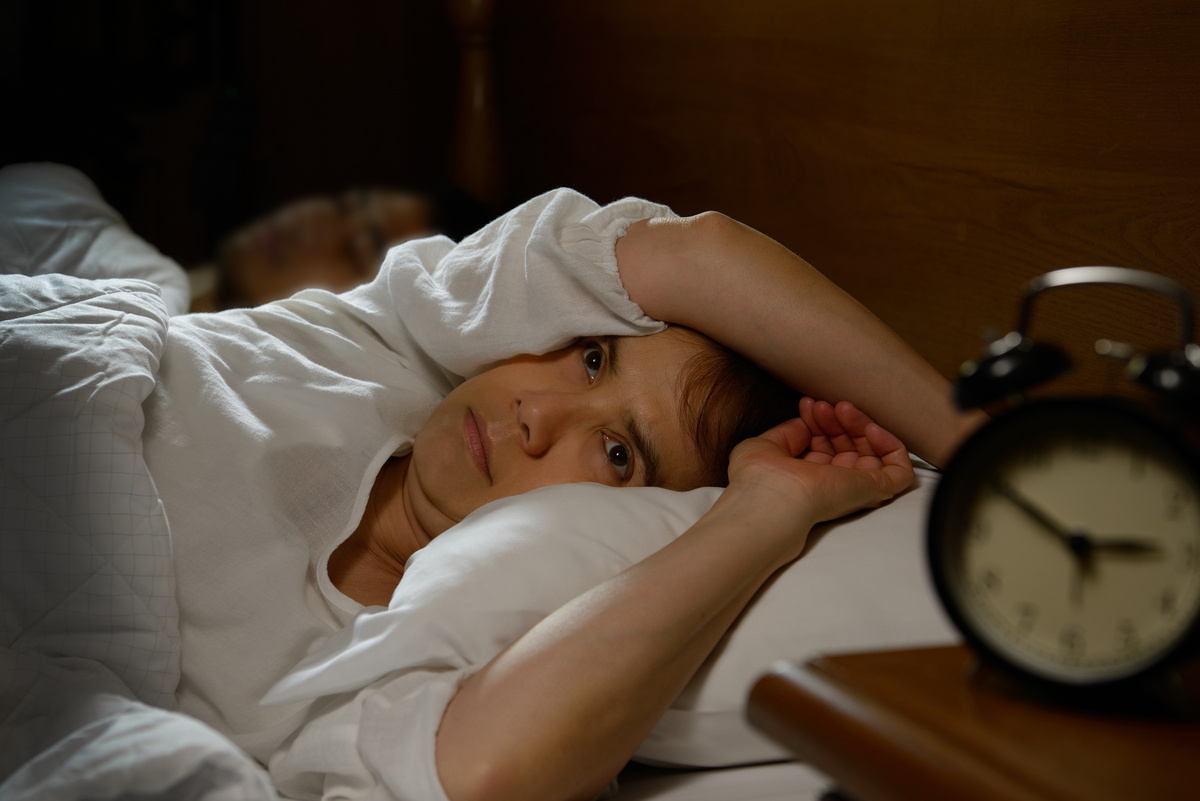
1. Tired but Wide Awake
There is a specific kind of tired that hits when you are exhausted all day, then wide awake the moment you finally get to rest. Your body wants sleep. Your brain has other plans.
This is not a willpower problem. It is not bad habits, though it can look that way from the outside. For many people with ADHD, the link between their brain and their sleep cycle works differently than it does for people without the condition.
According to the National Institute of Mental Health (NIMH), sleep problems are especially common among adults with ADHD, affecting up to 70 percent. That is not a small overlap. It is one of the most common experiences within the condition itself.
For a broader look at how sleep difficulties are evaluated and treated, the Insomnia & Sleep Disorder conditions page outlines what that process involves.
2. Why ADHD and Sleep Are So Tangled Together
ADHD and sleep interact in ways that go far beyond just having trouble settling down at night. The relationship runs in both directions. Each side makes the other harder to manage.
Executive functions like attention, working memory, and emotional control are already tough for people with ADHD. Poor sleep makes all of them worse. Run on too little sleep, and focus gets harder to hold. Emotions get bigger. Impulsivity climbs.
For a closer look at how these same executive functions are affected by ADHD more broadly, the guide on executive dysfunction and ADHD covers what that connection involves.
That builds a loop. ADHD makes sleep harder to get. Poor sleep makes ADHD symptoms harder to manage. Harder symptoms make sleep even harder to find. Breaking into that cycle at any point can loosen the whole pattern. But understanding how it forms is the first step.
According to the Centers for Disease Control and Prevention (CDC), sleep disorders are among the conditions that can produce symptoms similar to ADHD. This is one reason a thorough evaluation looks closely at sleep as part of the full clinical picture.
3. The Delayed Internal Clock
One clear explanation for the ADHD and sleep connection involves the body’s internal clock, called the circadian rhythm.
Sleep runs on two systems working together. One builds pressure to sleep the longer you stay awake. The other is the circadian rhythm, a roughly twenty-four-hour cycle that tells your body when to feel alert and when to feel sleepy. In ADHD, both systems can be thrown off. But the circadian piece is especially significant.
Many adults with ADHD have a delayed circadian rhythm. Their body’s natural cycle runs later than average. In practice, this often looks like a strong pull toward evening energy. You feel alert and sharp late at night, right when most people wind down. Then mornings feel nearly impossible.
This is not a preference dressed up as biology. It reflects a real shift in the timing of the body’s internal signals. That is why simply deciding to go to bed earlier rarely works the way it does for someone without ADHD.
4. What Gets in the Way of Falling Asleep
Several factors tied to ADHD and sleep make the shift from awake to asleep harder than it is for most people.
- A racing mind that will not quiet down once outside stimulation drops away, often described as thoughts bouncing from one to the next with no clear off switch
- Trouble starting the wind-down process itself, since beginning the shift toward sleep is its own kind of task the ADHD brain can struggle to initiate
- Stimulant medications that, depending on timing and individual response, can get in the way of feeling sleepy in the evening
- Caffeine, which blocks the chemical responsible for building sleep pressure and can delay sleep onset well past its felt effects
- Daytime napping or oversleeping, which can reset the drive to sleep and make it harder to feel tired at the right bedtime
- Losing track of time in the evening, staying up later than planned while absorbed in something that finally feels engaging
None of this reflects a lack of trying. It reflects the specific ways ADHD gets in the way of the mechanics of falling asleep.
5. Why Staying Asleep Can Be Just as Hard
The link between ADHD and sleep does not stop at falling asleep. Many people with ADHD also struggle to stay asleep once they finally drift off, waking often through the night or far too early in the morning.
Fragmented sleep in ADHD often ties back to the same regulation difficulties that affect attention and emotion during the day. A restless, understimulated mind does not always settle just because the lights are off. Physical restlessness, similar to daytime hyperactivity, can also show up at night as tossing, turning, or an inability to stay still enough to remain asleep.
The result for many people is a night that feels technically long but functionally short. Hours in bed do not always mean hours of real, restorative sleep. That is why next-day exhaustion can feel out of proportion to how long someone was actually lying down.
6. The Other Sleep Disorders That Often Ride Along
ADHD and sleep problems do not stop at a delayed schedule and a racing mind. Adults with ADHD also face meaningfully higher risk for several distinct, diagnosable sleep disorders.
According to CHADD, adults with ADHD face elevated risk for insomnia, sleep-disordered breathing such as obstructive sleep apnea, restless leg syndrome, and narcolepsy. These are not just variations of the same delayed sleep pattern. They are separate conditions, each with its own presentation, each capable of adding to the sleep difficulty already present from ADHD alone.
This matters clinically. Treating ADHD-related sleep timing issues will not resolve a co-occurring sleep disorder that needs its own diagnosis and treatment. If sleep problems persist despite addressing the obvious ADHD-related factors, one of these additional conditions may be at play.
7. What Actually Helps
Improving ADHD and sleep together usually takes more than generic sleep advice, though some foundational habits still matter.
Why standard sleep hygiene often falls short
Advice like keeping a consistent schedule and skipping caffeine late in the day is genuinely useful. But it tends to help mild sleep disruption more than chronic insomnia. For many people with ADHD, sticking to these routines is itself hard. Doing so takes exactly the kind of planning and follow-through that executive dysfunction makes difficult.
Cognitive behavioral therapy for insomnia
Cognitive behavioral therapy for insomnia, often called CBT-I, is the gold standard treatment for chronic insomnia. It has shown strong results specifically for people with ADHD. Rather than relying on willpower to follow a routine, it targets the thoughts and behaviors that get in the way of sleep directly, through steps like cognitive restructuring, sleep consolidation, and stimulus control. Programs built for ADHD often use shorter sessions and simple tools like reminders, working with executive function challenges instead of against them.
Medication considerations
Because stimulant timing can affect sleep onset, adjusting when and how ADHD medication is taken is sometimes part of an effective plan. This is a decision to make with a provider, not on your own, since shifting medication without guidance can create other problems.
Addressing the circadian piece directly
For people whose sleep trouble is rooted in a delayed circadian rhythm, targeted steps like carefully timed light exposure or melatonin under professional guidance can help shift the internal clock earlier. This is different from taking melatonin as a casual over-the-counter sleep aid, and it works best when guided by someone familiar with circadian-based sleep problems.
A comprehensive ADHD evaluation that specifically screens for sleep difficulties gives a fuller picture of what is driving the problem, and what mix of approaches is likely to help most.
For adults in the Gilbert, AZ area, the ADHD Testing in Gilbert, AZ page outlines what a thorough local evaluation includes.
8. Frequently Asked Questions
9. Breaking the Cycle
People with ADHD are not simply bad sleepers by nature. The exhaustion. The racing thoughts at midnight. The trouble waking up feeling rested. All of it traces back to real, identifiable differences in how the ADHD brain regulates sleep.
Seeing that clearly changes the conversation. Instead of treating sleep struggles as a personal failing to push through, they become a clinical pattern that responds to the right mix of understanding and targeted treatment.
Better sleep is not only about getting more rest. It is about restoring what ADHD and sleep take from each other. It is about restoring the energy, focus, and steadiness needed to manage ADHD well during the day. The two are not separate goals. They are the same goal, approached from two directions at once.
💡Key Takeaways
- ADHD and sleep are closely linked, with sleep problems affecting up to 70 percent of adults with the condition
- A delayed circadian rhythm is common in ADHD, often producing a natural pull toward alertness at night and trouble waking in the morning
- Falling asleep and staying asleep are both commonly affected, driven by racing thoughts, trouble starting the wind-down process, and physical restlessness
- Additional sleep disorders, including sleep apnea, restless leg syndrome, and narcolepsy, occur more often in people with ADHD and may need separate diagnosis and treatment
- Standard sleep hygiene advice often falls short for chronic ADHD-related insomnia, while cognitive behavioral therapy for insomnia has strong evidence for this population
- A comprehensive evaluation that screens for sleep difficulties offers the clearest path toward a treatment plan that actually addresses the underlying pattern
Ready to Learn More About ADHD and Sleep?
If the patterns described in this guide feel familiar, speaking with a qualified psychiatric provider about a comprehensive ADHD evaluation is a worthwhile next step. Understanding how ADHD and sleep are connected is the foundation of care that actually helps.
Disclaimer: This article is intended for informational and educational purposes only. It does not constitute medical advice, a diagnosis, or a treatment recommendation. Always consult a qualified healthcare provider for guidance specific to your individual circumstances.